
Solar Panels Price in Pakistan 2026: What You Really Pay
Understanding the solar panels price in Pakistan is the first hurdle most buyers face in 2026. Prices swing widely depending on panel type, brand, wattage, and the extras bundled into a quote. Without a clear breakdown, it is easy to overpay or, worse, buy cheap equipment that fails early. This article demystifies pricing so you know exactly what your money buys.
The good news is that panel costs have dropped steadily as global manufacturing scaled up. What once felt like a luxury reserved for large factories is now within reach of ordinary households. Still, the total price of a working system involves more than the panels alone, and smart buyers plan for the whole picture.
What Drives Solar Panel Pricing?
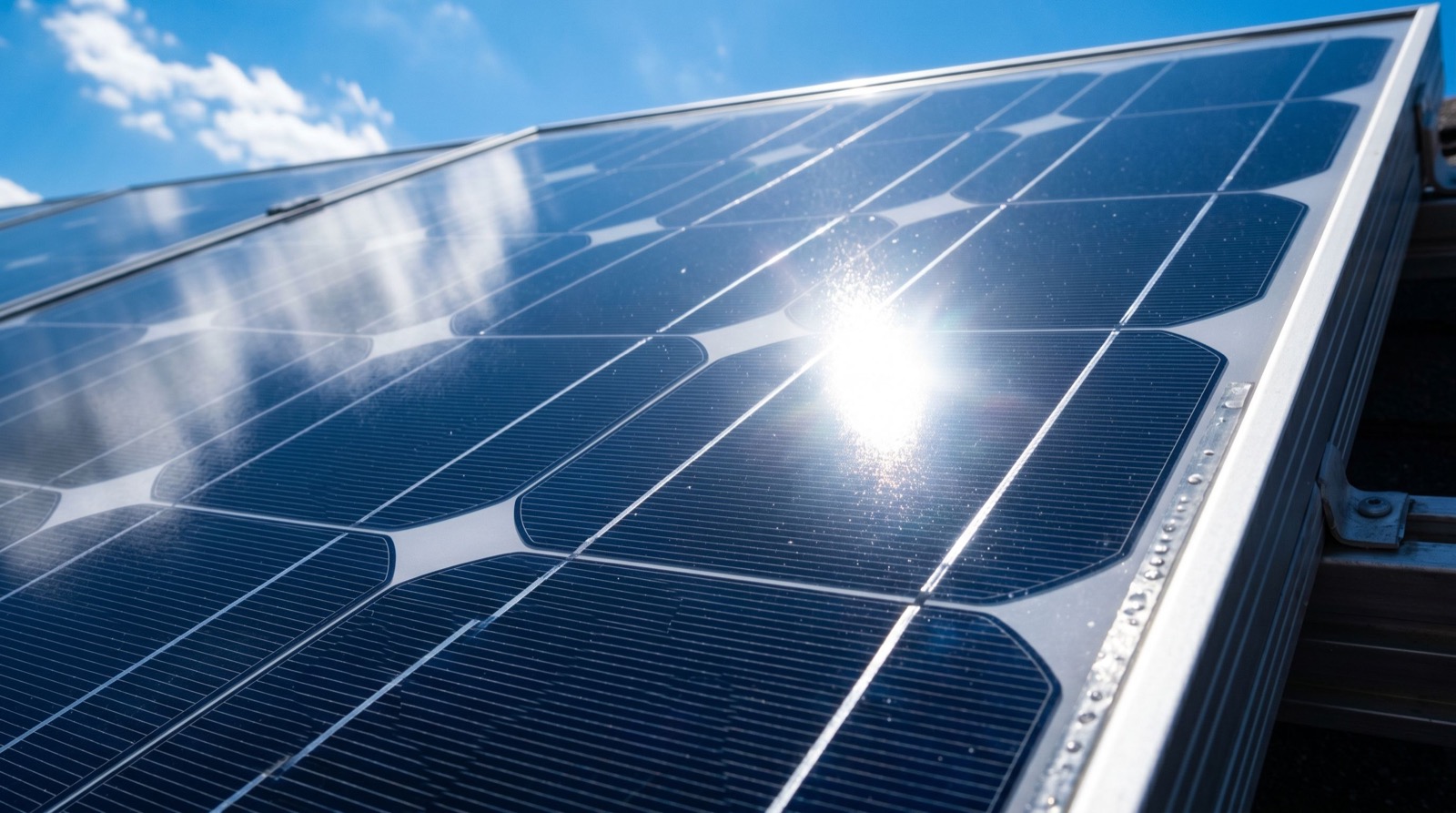
Several factors shape the final figure on your invoice. Panel technology sits at the top of the list. Monocrystalline modules command a premium over polycrystalline ones because they pack more power into less space and perform better in low light.
Brand reputation also matters. Tier-one manufacturers back their panels with stronger warranties and better long-term output guarantees, which justifies their higher sticker cost. Meanwhile, wattage per panel affects how many units you need, influencing both material and labor costs.
Global data from the International Renewable Energy Agency shows that solar module costs have fallen more than 80 percent since 2010, a trend that continues to make rooftop systems increasingly affordable for Pakistani buyers.
Panel Cost Versus Total System Cost
Many first-time buyers focus only on the panels and forget the balance of the system. The inverter, mounting structure, wiring, protection devices, and installation labor together often equal or exceed the panel cost itself.
When you evaluate the solar panels price in Pakistan, always ask for an itemized quote. A transparent breakdown reveals whether a seller is padding margins on hidden components or offering genuine value.
2026 Price Ranges by System Size
Prices vary by region and supplier, but general ranges help you budget. The table below reflects typical complete-system tiers seen across the market in 2026. Treat these as planning benchmarks, then confirm with formal quotes.
| System Size | Typical Use | Panels Needed | Backup Option |
|---|---|---|---|
| 3 kW | Small home | 6–7 panels | Optional battery |
| 5 kW | Medium home | 10–12 panels | Recommended |
| 10 kW | Large home / shop | 18–22 panels | Strongly advised |
| 15 kW+ | Commercial | 28+ panels | Essential |
Notice how backup batteries become more important as system size grows. Larger loads mean more disruption during outages, so storage shifts from a nice-to-have to a practical necessity.
Hidden Costs to Watch
Beyond the headline price, a few extras catch buyers off guard. Net metering applications, structural reinforcement for older roofs, and longer cable runs can all add to the bill. Ask about these upfront.
- Net metering registration and paperwork fees.
- Roof reinforcement if your structure is aging.
- Extra cabling for panels mounted far from the inverter.
- Optional monitoring apps or smart meters.
How Can You Save Money Without Cutting Quality?
Everyone wants a lower price, but slashing quality backfires. Cheap panels degrade faster, and bargain inverters trip frequently. The trick is to spend wisely rather than simply spending less.
Start by right-sizing your system. Oversizing wastes money on capacity you never use, while undersizing forces a costly upgrade later. A careful load assessment prevents both mistakes.
Choosing the solar company in Pakistan that offers honest sizing advice can save you far more than chasing the lowest per-panel price. Reputable installers also secure better warranties, which protects your investment over the long haul.
Timing Your Purchase
Prices dip when suppliers clear inventory or when the rupee strengthens against import currencies. If you are flexible, watching the market for a few weeks can yield noticeable savings. That said, do not delay so long that rising electricity tariffs erase the benefit of waiting.
Working with quality service providers for installation ensures your discounted equipment is fitted correctly, protecting both performance and warranty coverage.
Calculating Your Payback Period
The real question is not the price but the return. Divide your total system cost by your expected annual bill savings to estimate payback. Most well-designed systems in 2026 recover their cost within three to five years.
- Add up the full installed cost of your system.
- Estimate annual savings from reduced grid bills.
- Divide cost by savings to find your payback in years.
- Enjoy near-free electricity for the panels’ remaining lifespan.
With panels lasting 25 years or more, the two decades of essentially free power after payback represent enormous value that a simple price tag never captures.
Regional and Seasonal Price Factors
Where you live influences what you pay. Buyers in major cities often find more competitive quotes because suppliers cluster there and compete openly. In smaller towns, transport and limited local competition can nudge prices upward.
Season matters too. Demand for solar tends to spike before summer as households brace for heavy air-conditioning loads. Booking your installation in a quieter month can occasionally unlock better rates and faster scheduling.
Currency movements ripple through pricing as well, since many components are imported. A favorable exchange rate lowers costs, while a weaker rupee pushes them up. Keeping an eye on these trends helps you buy at a sensible moment rather than at a peak.
Financing and Payment Options
Not everyone pays the full amount upfront, and that is fine. In 2026, more suppliers offer installment plans and bank-backed financing that spread the cost over months or years. These arrangements let you start saving on bills immediately while paying gradually.
Before choosing a plan, compare the total cost including any interest against the electricity savings your system generates. In many cases, the monthly savings exceed the installment amount, meaning the system effectively pays for itself from day one. Always read financing terms carefully and confirm there are no hidden charges buried in the fine print.
Frequently Asked Questions
Why do solar panel prices vary so much?
Differences come from panel technology, brand tier, wattage, and warranty length. Premium monocrystalline panels from established brands cost more but deliver higher efficiency and longer guaranteed output.
Is a cheaper panel a bad investment?
Not always, but very cheap panels often degrade faster and carry weaker warranties. Balance price against efficiency and warranty rather than choosing the lowest number alone.
Does the price include installation?
It depends on the seller. Always request an itemized quote showing panels, inverter, mounting, wiring, and labor so you can compare offers fairly and avoid hidden charges.
How quickly will solar pay for itself in 2026?
Most properly sized systems recover their cost within three to five years through bill savings, then provide low-cost power for the remaining two decades of panel life.
Conclusion
The solar panels price in Pakistan tells only part of the story in 2026. What truly matters is the complete installed cost, the quality of your components, and the years of savings that follow. By demanding itemized quotes, right-sizing your system, and partnering with an honest supplier, you turn a big purchase into a lasting asset. Ready to see transparent pricing and pick the right panels for your budget? Explore a trusted solar catalog today and start planning your path to cheaper, cleaner energy.