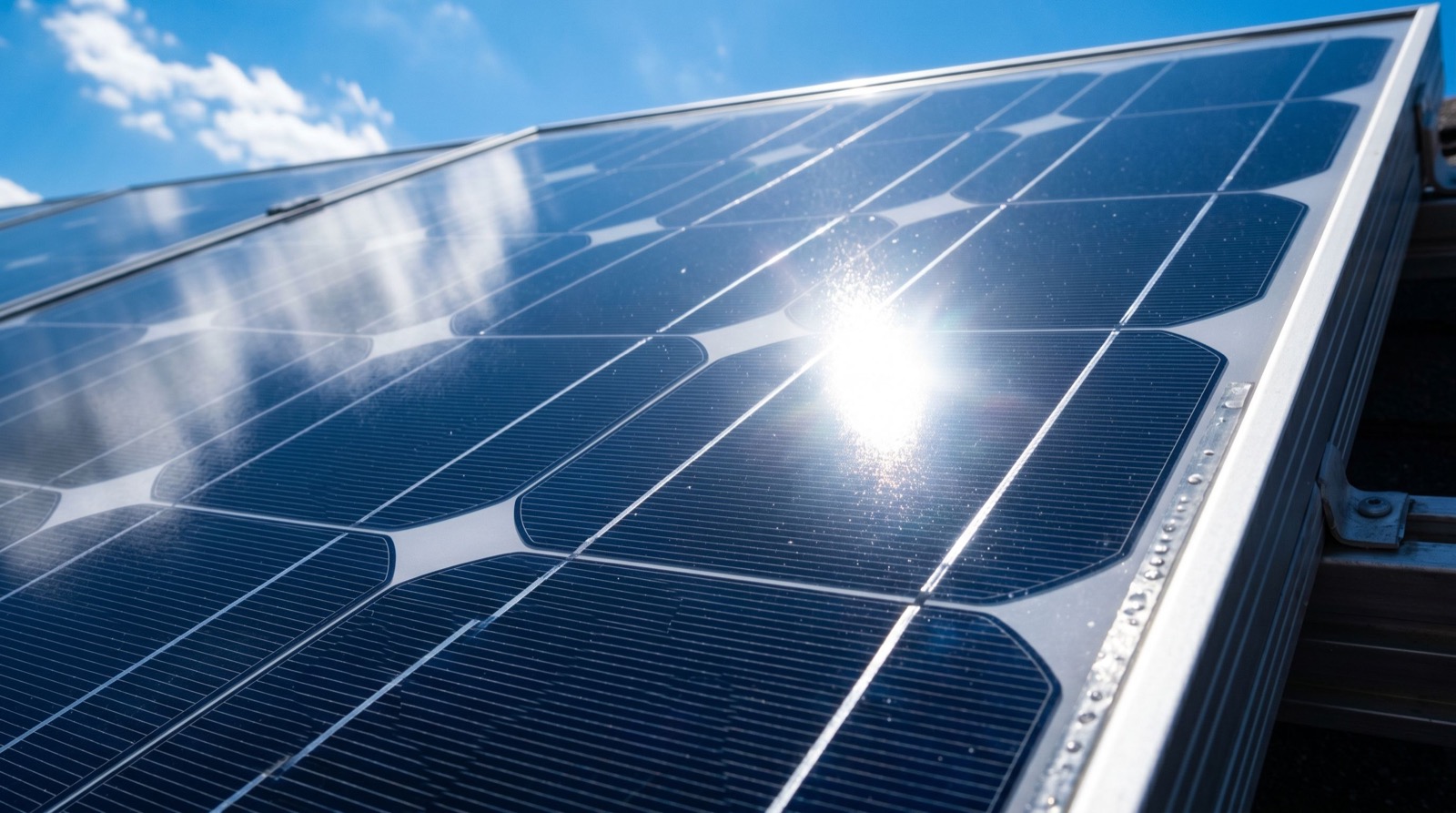
The cost of going solar in Pakistan has dropped to its most attractive level in years, and 2026 is shaping up to be the smartest time yet to invest. Understanding the true solar panel cost in Pakistan means looking beyond the sticker price to payback period, net-metering savings, and long-term returns. With grid tariffs climbing past PKR 60 per unit in many areas, a well-sized rooftop system now pays for itself faster than a fixed deposit matures. This guide breaks down real numbers, system sizes, and the return on investment you can realistically expect.
Whether you run a household in DHA or a factory in the industrial belt, the math has shifted decisively in favour of solar. Below we walk through pricing tiers, payback timelines, and the practical decisions that separate a good installation from an expensive mistake.
What Is the Real Solar Panel Cost in Pakistan for 2026?
Prices depend on system size, panel brand, inverter quality, and whether you add battery storage. A grid-tied system without batteries remains the most economical choice for most homes. The table below reflects typical turnkey pricing seen across major cities in early 2026.
| System Size | Approx. Cost (PKR) | Monthly Units Produced | Best For |
|---|---|---|---|
| 5 kW (on-grid) | 950,000 – 1,150,000 | 600 – 700 | Small homes |
| 10 kW (on-grid) | 1,700,000 – 2,050,000 | 1,200 – 1,400 | Large homes / shops |
| 15 kW (on-grid) | 2,500,000 – 3,000,000 | 1,800 – 2,100 | Villas / small offices |
| 25 kW (hybrid + battery) | 4,800,000 – 5,800,000 | 3,000 – 3,500 | Backup + commercial |
These figures include panels, inverter, mounting structure, cabling, and standard installation. Falling module prices globally have kept Pakistani rates competitive, and reputable installers such as these dependable specialists publish transparent quotes so you can compare like for like.
Why Panel Tier Matters
Tier-1 monocrystalline panels cost more upfront but degrade slower, often warrantied for 25–30 years at 80%+ output. Cheaper polycrystalline or unbranded modules may save 10–15% today yet cost you in lost generation over a decade. When you calculate return on investment, panel quality is not a corner to cut.
How Long Is the Solar Payback Period in Pakistan?
The payback period is the number of years it takes for electricity savings to equal your upfront investment. In 2026, most grid-tied residential systems reach breakeven within three to five years, thanks to high tariffs and net metering. After that, the electricity is effectively free for the remaining 20+ years of panel life.
- Calculate your annual bill savings — multiply monthly units offset by your per-unit tariff.
- Divide system cost by annual savings — this gives your simple payback in years.
- Factor in net-metering export credits — surplus units sold back shorten the timeline further.
- Add avoided tariff hikes — as grid rates rise, your solar savings grow every year.
For example, a 10 kW system saving PKR 480,000 annually against a cost of PKR 1,900,000 pays back in roughly four years. Over 25 years, that same system can return several times its original cost in net savings.
What Drives Solar ROI Higher in 2026?
Several factors compound to make returns stronger than they were even two years ago. Understanding these helps you time and size your purchase correctly.
- Rising grid tariffs — every increase widens the gap between grid cost and solar cost.
- Net metering — approved connections let you bank surplus generation as credits.
- Cheaper modules — global oversupply has pushed panel prices to record lows.
- Longer warranties — 25–30 year performance guarantees protect your ROI.
- Better inverters — modern hybrid units squeeze more usable energy from the same array.
According to the International Renewable Energy Agency, the global weighted-average cost of solar electricity has fallen dramatically over the past decade, and that trend continues to benefit importing markets like Pakistan. Lower hardware costs translate directly into faster payback for homeowners here.
Location and Sunlight Hours
Pakistan enjoys some of the highest solar irradiation in the world, averaging 5–7 peak sun hours daily across most regions. Southern and central cities generate slightly more per kilowatt than the far north, but even modest sites deliver strong yields. A quality installer will use your roof orientation and shading to model realistic output before you commit.
Which Hidden Costs Should You Budget For?
The headline system price rarely tells the whole story, and unbudgeted extras can dent your ROI. Factoring these in upfront keeps your payback calculation honest.
- Net-metering fees — the bi-directional meter and application processing carry modest charges.
- Structure upgrades — elevated or wind-rated mounting costs more on exposed roofs.
- Cabling runs — long distances between array, inverter, and meter add material cost.
- Load enhancement — some homes must raise sanctioned load before net-metering approval.
- Maintenance — budget a small annual amount for cleaning and inspection.
None of these overturn the strong economics of solar, but a transparent installer itemises them so your ROI projection reflects reality. Beware quotes that look suspiciously cheap — they often omit these line items only to add them later.
City-Level Considerations and Choosing an Installer
Local expertise matters because net-metering procedures, DISCO requirements, and rooftop conditions vary by region. If you are in the capital region, working with a trusted solar company in Islamabad ensures your paperwork clears smoothly with the relevant distribution company. Coastal humidity and dust demand different mounting and cleaning strategies, so buyers looking at solar panels in Karachi should prioritise corrosion-resistant structures and marine-grade components.
When shortlisting an installer, ask for proof of past net-metering approvals, request a detailed bill of materials, and confirm the after-sales support window. A slightly higher quote from an experienced firm often delivers better lifetime value than the cheapest bid.
Frequently Asked Questions
Is solar worth it in Pakistan in 2026?
Yes. With grid tariffs high and panel prices low, most grid-tied systems pay back within three to five years and then deliver decades of near-free electricity. The return on investment easily beats most conventional savings instruments.
How much does a 10 kW solar system cost in Pakistan?
A quality on-grid 10 kW system typically costs between PKR 1.7 million and 2.05 million in 2026, including panels, inverter, structure, and installation. Adding batteries raises the price but provides backup during outages.
Does net metering reduce the payback period?
Absolutely. Net metering lets you export surplus daytime generation to the grid for credits, which offset your night-time consumption. This can shorten a typical payback by several months to a year.
What maintenance does a solar system need?
Very little. Panels need occasional cleaning to remove dust, and a quick annual inspection of connections and the inverter. Good systems run for 25+ years with minimal intervention.
Conclusion
The solar panel cost in Pakistan for 2026 has never offered a stronger return, with payback periods of three to five years and decades of savings beyond that. By choosing tier-1 panels, sizing your system correctly, and enrolling in net metering, you lock in energy independence while grid rates keep climbing. Talk to an experienced installer, get a transparent quote, and start calculating your own ROI today — your future self will thank you for going solar now.