Dry Storage Explained: Best Practices for Safe Warehousing in 2026
Dry storage is the most common and most underrated form of warehousing. It holds goods that do not need refrigeration but still demand protection from moisture, heat, dust, and pests. From canned food and grain to industrial spare parts, the majority of the world’s inventory lives in dry storage. Done well, it keeps products intact for months. Done poorly, it invites rust, mold, and spoilage that quietly erode your margins.
In this guide we explain what dry storage is, which goods belong in it, and the practical habits that separate a reliable facility from a risky one in 2026.
What Is Dry Storage?
Dry storage is a controlled, non-refrigerated environment that keeps goods cool, dry, and well-ventilated. Unlike a chilled or frozen room, it relies on insulation, airflow, and humidity control rather than active refrigeration. The aim is simple: keep temperature moderate and moisture low enough that shelf-stable products stay safe.
A professional Dry Storage facility manages conditions deliberately. It is not a bare warehouse. Ventilation, pallet racking, pest control, and humidity monitoring all work together to protect what sits inside.
Core features of good dry storage
- Stable, moderate temperature away from direct heat.
- Low, monitored relative humidity to prevent condensation.
- Elevated racking that keeps stock off the floor.
- Strong ventilation to avoid stale, damp air pockets.
- An active pest-management program.
What Goods Belong in Dry Storage?
Dry storage suits any product that is shelf-stable and sensitive mainly to moisture or physical damage rather than temperature. That covers a huge range of everyday and industrial items.
- Dry foods such as grains, flour, rice, pasta, and canned goods.
- Packaging materials, paper, and cardboard.
- Textiles, clothing, and household goods.
- Tools, hardware, and metal components.
- Industrial spare parts and consumables.
Industrial components are a particularly good fit. Reliable Storage for Spare Parts keeps fasteners, castings, and durable assemblies organized and corrosion-free until maintenance teams need them.
The common thread across all these goods is that they tolerate normal temperatures but fail when moisture, pests, or rough handling get to them. That is exactly the gap a well-designed dry store closes. By controlling the environment and keeping stock organized, it extends usable life and cuts waste, whether the shelves hold pantry staples or precision hardware destined for a factory floor.
Dry Storage vs Other Storage Types
| Storage type | Temperature | Best for |
|---|---|---|
| Dry storage | Ambient, moisture-controlled | Grains, packaging, tools, spare parts |
| Chilled storage | 2°C to 8°C | Dairy, fresh produce, some pharma |
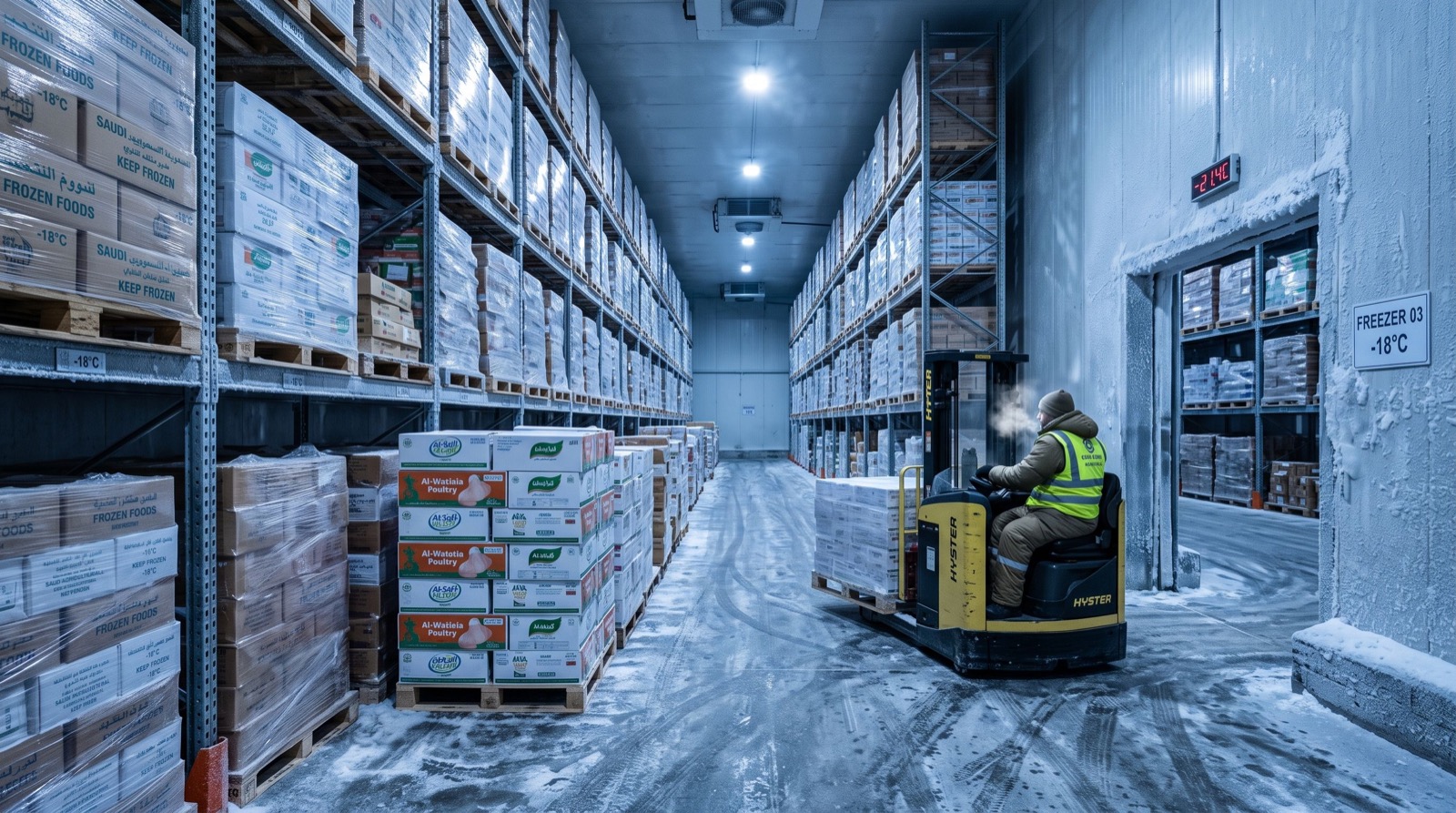
| Frozen storage | -18°C and below | Meat, seafood, ice cream |
Best Practices for Safe Dry Storage
The difference between safe and spoiled inventory usually comes down to discipline. These habits keep dry stock in top condition.
Manage moisture first
Moisture is the number one enemy of dry storage. Even in a dry climate, condensation near docks and overnight temperature swings can raise humidity. Dehumidifiers, vapor barriers, and off-floor racking all help. Guidance from the U.S. Food and Drug Administration stresses that controlling moisture is essential to keeping dry foods safe from mold and contamination.
Use FIFO and clear labeling
Rotate stock on a first-in, first-out basis so nothing ages past its usable life. Clear labels and bin locations make rotation easy and prevent forgotten inventory in back corners.
Control pests relentlessly
Dry foods and packaging attract insects and rodents. A documented pest-control program, sealed entries, and regular inspections keep infestations out before they start.
Protect metal from corrosion
For spare parts and hardware, corrosion is the silent threat. Keep humidity low, use vapor-corrosion-inhibitor packaging for sensitive items, and avoid storing metal directly against concrete floors.
Common Dry Storage Mistakes to Avoid
- Stacking goods directly on the floor where moisture collects.
- Ignoring humidity because the outdoor climate seems dry.
- Blocking ventilation with overpacked racks.
- Skipping stock rotation and letting items expire.
- Treating pest control as a one-time task rather than ongoing.
Avoiding these pitfalls is easier with help from reputable service experts who manage conditions and inventory as a daily discipline, not an occasional check.
How to Lay Out a Dry Storage Warehouse
Layout decides how fast and how safely a dry store operates. A thoughtful plan keeps air moving, stock accessible, and moisture away from vulnerable goods. A poor one creates damp corners, blocked aisles, and forgotten inventory.
Start by zoning the space. Group fast-moving items near the dispatch area and slower stock further back. Leave clear aisles for forklifts and keep a buffer between racking and exterior walls, where heat and condensation concentrate.
Layout principles that pay off
- Keep stock off the floor on pallets or racking.
- Leave space between goods and outside walls for airflow.
- Position heavy, fast-moving items at waist height for easy picking.
- Maintain clear, marked aisles for safe forklift movement.
- Reserve a quarantine zone for damaged or returned goods.
Seasonal Care for Dry Storage
Conditions change through the year, and dry storage needs adjusting with them. Summer brings extreme outdoor heat that stresses insulation, while cooler months can create overnight condensation as temperatures swing. A fixed routine misses these shifts.
Review ventilation and dehumidification settings each season. Inspect roofing and door seals before summer peaks, and check for condensation points as nights cool. Regular walkthroughs catch small problems, like a cracked seal or a blocked vent, before they damage stock.
- Inspect insulation and seals before peak summer heat.
- Adjust dehumidification as seasonal humidity shifts.
- Check for overnight condensation in cooler months.
- Schedule pest inspections at season changes.
- Log conditions so trends are easy to spot.
Frequently Asked Questions
What does dry storage mean?
Dry storage is a controlled, non-refrigerated warehouse environment that keeps goods cool, dry, and ventilated. It protects shelf-stable products from moisture, heat, dust, and pests without using active refrigeration.
What is the ideal humidity for dry storage?
Most dry goods store best at relatively low humidity, often below 60% relative humidity, to prevent mold, clumping, and corrosion. Monitoring and dehumidification keep levels stable year-round.
Can spare parts be kept in dry storage?
Yes. Durable metal parts, fasteners, and assemblies do well in dry storage when humidity is controlled and items are kept off the floor. Sensitive electronics or seals may need climate-controlled space instead.
How is dry storage different from a normal warehouse?
A normal warehouse may be unconditioned, but true dry storage actively manages temperature, humidity, ventilation, and pests. That control is what keeps products safe over long periods.
Conclusion
Dry storage protects the vast majority of shelf-stable goods, from pantry staples to critical spare parts, when it is managed with care. Control moisture first, rotate stock, stay disciplined on pests, and guard metal against corrosion. In 2026, choosing a well-run dry storage facility and following these best practices is one of the simplest, most effective ways to protect your inventory and your bottom line.