HME Drive Thru in Pakistan: 2026 Speed-of-Service Guide
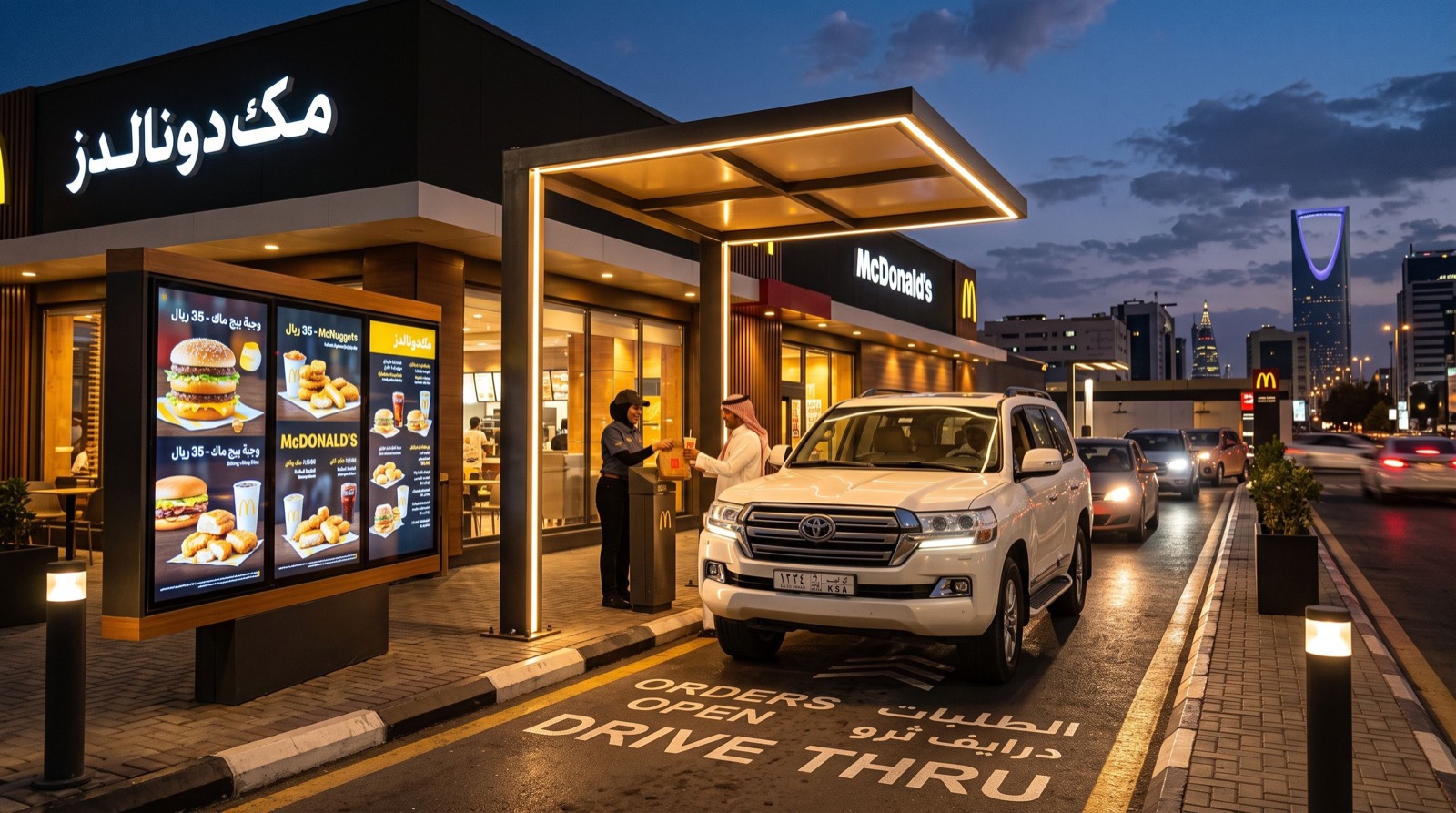
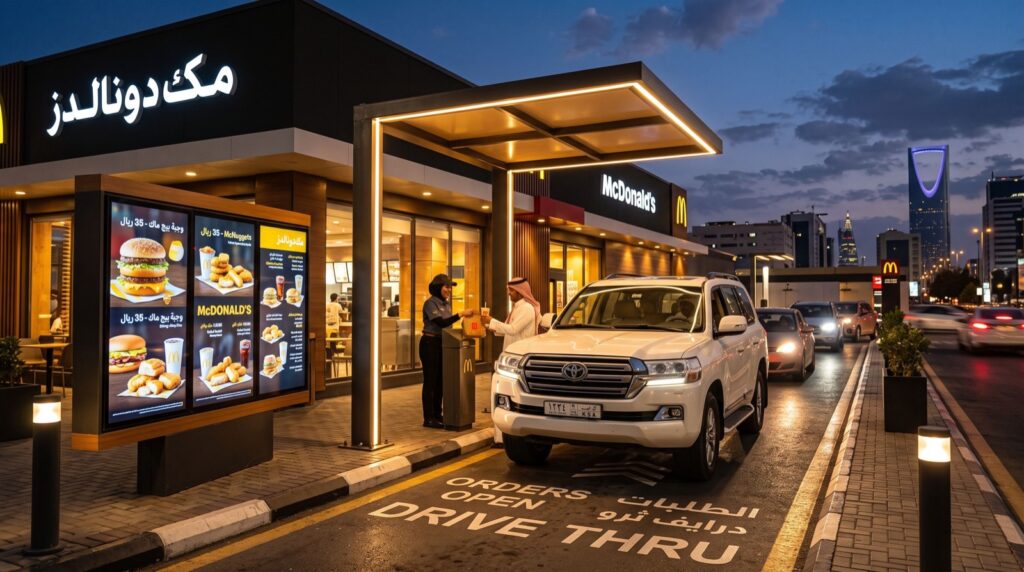
Fast-food brands are racing to shorten lines at the window, and an HME drive thru in pakistan is now central to that effort. As quick-service restaurants expand across Lahore, Karachi and Islamabad in 2026, operators are discovering that the drive-thru lane earns a growing share of daily revenue. The technology that powers that lane, from crew headsets to lane timers, decides whether a restaurant serves cars quickly or watches them drive away.
This guide explains what an HME drive-thru system includes, why speed-of-service metrics matter, and how Pakistani operators can build a lane that keeps cars moving even during peak iftar and lunchtime rushes.
Why an HME Drive Thru in Pakistan Pays Off
Drive-thru lanes convert convenience into revenue. A customer who can grab a meal without leaving the car returns more often. But that advantage disappears the moment the lane backs up onto the road.
HME systems address the problem with reliable crew communication and precise measurement. The two core components are clear, interference-free audio between the customer and the crew, and a timing system that records how long each car spends at every stage of the lane.
The Hidden Cost of a Slow Lane
- Drive-offs: cars that leave before ordering are pure lost sales.
- Crew stress: poor audio forces repeats and errors.
- Road spillover: long lanes create safety and neighbour complaints.
- No accountability: without timers, managers cannot coach improvement.
Core Components of a Modern Drive-Thru System
A professional lane is a stack of integrated hardware and software. Each piece plays a role in keeping cars moving.
- Wireless headsets with noise cancellation for clear order-taking.
- Base station and vehicle detectors that sense each arriving car.
- Lane timer displays showing live and target service times.
- Digital menu boards that update pricing and promotions instantly.
- Reporting software that benchmarks shifts, days and locations.
What Does HME Stand For?
HME is a long-established brand in drive-thru audio and timing technology, used by major quick-service chains worldwide. Its equipment set the global benchmark for crew communication, which is why Pakistani operators adopting the format look to the same proven ecosystem.
Speed-of-Service: The Metric That Matters
Speed of service, often shortened to SOS, is the average time a car spends from menu board to handoff. Global chains obsess over it, and the gap between a fast and slow lane is measured in seconds per car that compound across thousands of daily transactions.
The table below shows how timing zones break down a typical lane.
| Zone | What it measures | Why it matters |
|---|---|---|
| Greet time | Delay before crew responds | First impression and drive-off risk |
| Order time | Time at the menu board | Shows upsell and audio quality |
| Total lane time | Entry to exit | Headline speed-of-service figure |
| Pull-forward | Cars asked to wait in a bay | Flags kitchen bottlenecks |
Industry data compiled by trade publications such as QSR Magazine shows that the fastest chains trim total lane time year after year, and every saved second lifts throughput during peak hours.
Managing Flow Beyond the Lane
A drive-thru does not operate alone. Inside the restaurant, counter and pickup areas need their own flow control. Many multi-format locations now pair the lane with a queue management system in islamabad so dine-in and delivery-pickup customers are organised just as efficiently as cars at the window.
Coordinating both systems gives managers one picture of total demand, which is critical when a delivery-rider surge collides with a drive-thru rush.
Choosing an Installation Partner
Headsets, detectors and timers must be installed, tuned and maintained correctly to perform. Working with quality service providers ensures the audio is clear, the detectors are calibrated and spare parts are available when a headset fails mid-shift.
A Practical Rollout Plan
Deploying a drive-thru system works best in stages. Follow a disciplined sequence to avoid surprises on opening day.
- Site survey: map lane geometry, power and network before ordering hardware.
- Baseline timing: if the lane exists, record current speed of service.
- Install and tune: set detector sensitivity and headset channels for your layout.
- Train crew: teach greet scripts and timer targets.
- Review weekly: use reports to coach the slowest zones.
Adapting the Lane to Pakistani Conditions
A drive-thru that works in a cool climate still needs tuning for local realities. Pakistani operators face specific conditions that shape how the hardware should be specified and maintained.
- Heat and dust: outdoor menu boards and speakers must be rated for high temperatures and protected from dust ingress.
- Power reliability: pair base stations with a UPS so a brief outage never kills the lane during peak trading.
- Peak demand spikes: iftar during Ramadan and weekend evenings create surges that timing data helps you staff for.
- Mixed order channels: ride-hailing delivery riders now compete for crew attention alongside drive-thru cars.
Specifying hardware for these conditions up front avoids expensive retrofits later and keeps the lane running when it matters most.
Training the Crew to Hit the Numbers
Technology only delivers when the crew uses it well. The best operators turn timer data into a daily coaching ritual rather than a monthly report. A short pre-shift huddle that reviews yesterday’s greet and total lane times focuses the team on a single improvement goal.
Clear greet scripts, confident upselling and a habit of clearing cars to a pull-forward bay when the kitchen lags all shave seconds off the average. Over a busy month, those seconds translate into hundreds of extra cars served and a measurable lift in revenue, which is the whole point of investing in a professional lane.
Frequently Asked Questions
What is an HME drive-thru system?
It is an integrated set of wireless headsets, vehicle detectors, lane timers and reporting software that lets restaurant crews take orders clearly and measure how quickly they serve each car.
Is a drive-thru system worth it for a single restaurant in Pakistan?
Yes. Even one location benefits from clearer audio, fewer order errors and timing data that helps the manager cut wait times and reduce drive-offs.
How does a drive-thru relate to a queue management system?
The drive-thru handles cars at the window, while a queue management system organises walk-in and pickup customers inside. Together they give one coordinated view of total demand.
How long does installation take?
A standard single-lane installation can be completed and tuned within a day or two, followed by crew training and a short optimisation period using the timer reports.
Conclusion
An HME drive thru in Pakistan turns the lane into a measurable, high-throughput revenue engine rather than a bottleneck. Invest in clear headset audio, calibrated detectors and honest timing data, coordinate the lane with your in-store queuing, and coach your crew weekly against the numbers. In 2026, the restaurants that master speed of service will own the busiest corners of every Pakistani city.